
AEG Washing Machine User Manual: A Comprehensive Guide
Welcome! This manual details operation of your AEG washing machine, incorporating 2024-2026 innovations like AI-assisted features and enhanced energy efficiency, ensuring optimal performance.
Congratulations on choosing an AEG washing machine, a product of Electrolux Group’s commitment to innovation and quality. AEG consistently receives high ratings, including a 5-star Reliability score from Which? for its hob portfolio, demonstrating a dedication to durable and dependable appliances. This manual serves as a comprehensive guide to understanding and utilizing all the features of your new machine.
AEG is at the forefront of appliance technology, recently unveiling significant kitchen launches at IFA 2024 and 2025, including AI-assisted cooking and highly energy-efficient designs. While this manual focuses on your washing machine, it reflects the brand’s broader pursuit of advancements in Taste, Care, and Wellbeing. Expect a seamless laundry experience, backed by cutting-edge technology and a focus on sustainability, as AEG continues to push boundaries in home appliance innovation.
Safety Information & Important Warnings
Prioritize safety! Before operating your AEG washing machine, carefully read all instructions. Ensure the machine is properly grounded and installed according to local regulations. Never attempt to repair the appliance yourself; contact authorized service personnel for any maintenance or repairs.
Keep children and pets away from the washing machine during operation. Do not overload the drum, as this can affect performance and potentially cause damage. Avoid contact with water leaking from the machine, and always disconnect the power supply before cleaning or performing maintenance. Electrolux Group, the parent company of AEG, emphasizes responsible appliance use. Ignoring these warnings could lead to injury or damage, voiding your warranty. Always follow these guidelines for a safe and efficient laundry experience.
Package Contents & Initial Setup
Unboxing and preparation are key! Your AEG washing machine package should include the machine itself, a water inlet hose, a drain hose, an owner’s manual (this document!), and potentially transit bolts (remove these before use!). Carefully inspect all components for any shipping damage.
Before initial setup, ensure the installation location meets requirements – a level surface and proximity to water and drainage connections. Refer to the detailed instructions within this manual for proper hose connection. Electrolux Group prioritizes ease of installation. Once connected, but before running a wash, verify the machine is level to prevent vibrations and ensure optimal performance. Retain the packaging for potential future transport or warranty claims.
Machine Overview: Parts Identification
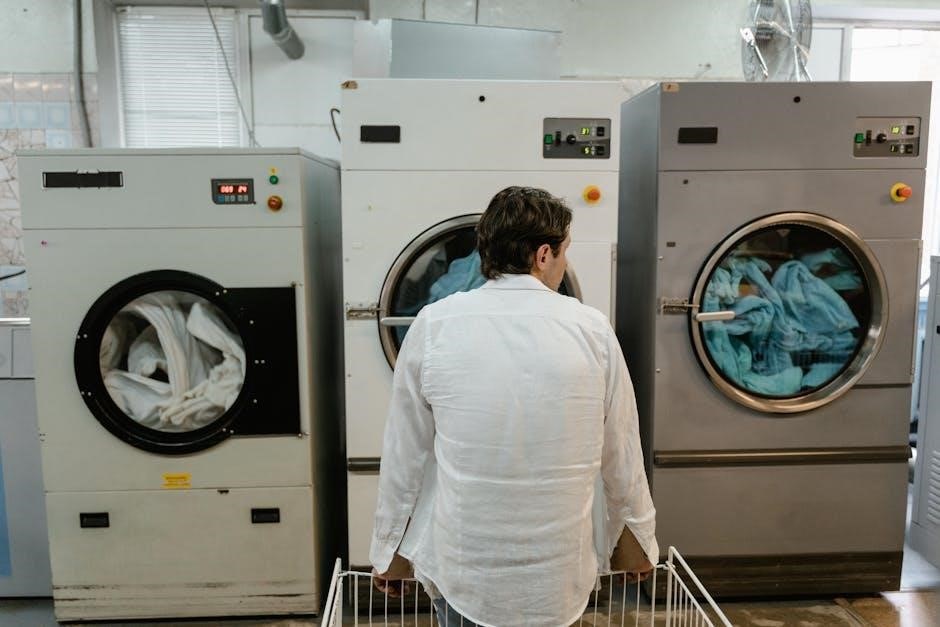
Familiarize yourself with your AEG washing machine! The front panel houses the control panel, providing access to various wash programs and settings. The detergent drawer, typically located on the top left, is where you’ll add detergent, fabric softener, and pre-wash agents.
Inside, the stainless steel drum handles your laundry, while the filter, usually accessible from the front lower panel, captures lint and debris. AEG’s commitment to durability is reflected in the quality of these components. The rear of the machine features water inlet and drain hose connections. Understanding these parts ensures proper operation and maintenance, maximizing the lifespan of your appliance.
4.1 Control Panel Explained
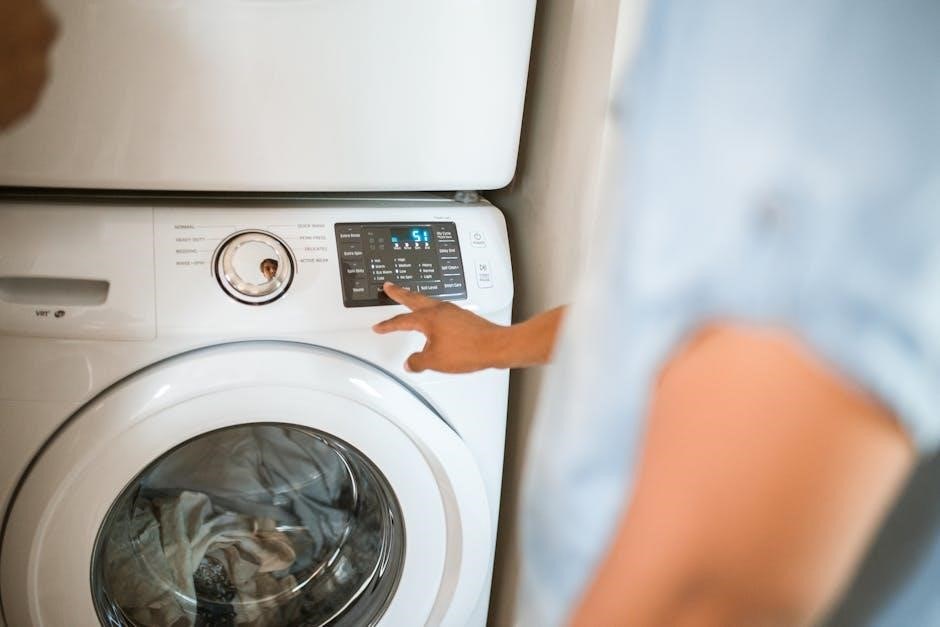
The AEG control panel offers intuitive operation. A central dial selects wash programs – Cotton, Delicates, Wool, Quick Wash, and specialized options like Stain Removal. Digital displays clearly show cycle progress, temperature, and remaining time. Buttons activate extra features such as Extra Rinse and Delay Start.
Recent AEG models (2024-2026) may incorporate AI-assisted features, accessible through dedicated panel controls. These innovations optimize wash cycles for superior cleaning and efficiency. Indicator lights signal machine status – power, water supply, and error alerts. Familiarizing yourself with these controls unlocks the full potential of your AEG washing machine.
4.2 Detergent Drawer Details
The AEG detergent drawer is typically divided into three compartments. Compartment I is for pre-wash detergent, useful for heavily soiled items. Compartment II holds the main wash detergent – powder or liquid, depending on your preference. Compartment III is for fabric softener; ensure it doesn’t overflow.
Dosage guidelines, found in section 8.2, are crucial for optimal results. Overuse can lead to residue, while underuse may compromise cleaning. Newer AEG models may feature automatic detergent dispensing, simplifying this process. Regularly cleaning the drawer (see section 9.1) prevents blockages and ensures proper detergent distribution.
4.3 Drum and Filter Location
Your AEG washing machine’s drum is the central washing compartment. It’s designed with features to gently yet effectively clean your laundry. Located at the bottom front of the machine, usually behind a small access panel, is the filter. This filter traps lint, buttons, and other small objects preventing drain blockages.
Regularly cleaning this filter (refer to section 9.3 for a step-by-step guide) is vital for maintaining optimal performance and preventing issues. Always ensure the machine is switched off and unplugged before accessing the filter. Inspect the drum periodically for any foreign objects before each wash cycle.
Getting Started: First-Time Use
Before your first wash, several steps ensure optimal performance. First, carefully remove all packaging materials from inside and outside the machine. Next, connect the water supply hose to a suitable water tap, ensuring a secure fit to prevent leaks. Attach the drain hose, directing it into a standpipe or sink, avoiding kinks.
Crucially, level the machine using the adjustable feet – an unleveled machine can cause excessive noise and vibration (see 5.2). Finally, run an empty test wash using a small amount of detergent to clean the drum and hoses before loading laundry. This initial cycle prepares the machine for regular use.
5.1 Connecting Water Supply & Drain Hose
Proper hose connection is vital for safe and efficient operation. Attach the supplied water inlet hose to a cold water tap with a ¾ inch thread, ensuring a rubber gasket is in place to prevent leaks. Hand-tighten, then use a wrench for a ¼ turn more.
The drain hose should be securely inserted into a standpipe (60-90cm high) or the edge of a sink, avoiding sharp bends or obstructions. Ensure the hose isn’t submerged in water to prevent siphoning. Regularly inspect connections for tightness and damage.
5.2 Leveling the Machine
An uneven machine can cause excessive vibration and noise. Use a spirit level to check the machine’s stability on the floor. Adjust the adjustable feet at the bottom of the washing machine by rotating them clockwise to lower and counter-clockwise to raise each corner.
Continue adjustments until the machine is perfectly level in both directions – front-to-back and side-to-side. Once leveled, tighten the lock nuts against the machine’s base to secure the feet and prevent accidental movement during operation. Re-check leveling periodically.
5;3 Running a Test Wash (Empty)
Before using your AEG washing machine for the first time, it’s crucial to run an empty test wash. Select a standard cotton program at a moderate temperature, around 60°C, without any laundry inside; Add a small amount of detergent – approximately one tablespoon – to the detergent drawer.
This initial wash helps to clean the drum and hoses of any manufacturing residue and ensures the machine is functioning correctly. Observe the machine during the cycle for any leaks or unusual noises. Once completed, verify proper drainage and that all systems operate smoothly.
Understanding Wash Programs
Your AEG washing machine offers a variety of wash programs designed for different fabric types and cleaning needs. These programs optimize water usage, temperature, and drum action for the best results. Common programs include Cotton, for everyday items; Delicate/Silk, for sensitive fabrics; and Wool, which provides gentle care.
A Quick Wash program is available for lightly soiled loads needing a fast refresh. Understanding each program’s specific settings ensures your clothes are cleaned effectively while preserving their quality. Refer to the detailed explanations within this manual for optimal program selection.
6.1 Cotton Program – Detailed Explanation
The Cotton program is ideal for durable, everyday cotton and linen items. It utilizes a higher wash temperature and more vigorous drum action to effectively remove dirt and stains. This program offers adjustable spin speeds, allowing you to customize the drying level based on fabric type and preference.
For heavily soiled cottons, consider pre-treating stains or selecting a higher temperature setting. The default setting balances cleaning power with fabric care. Always check garment care labels before using this program to avoid damage. Optimal detergent dosage is crucial for best results – see section 8.2 for guidance.
6.2 Delicate/Silk Program – Usage Guide
The Delicate/Silk program is specifically designed for fragile fabrics like silk, lace, and sheer materials. It employs a gentle wash action and lower water temperature to prevent damage and maintain fabric integrity. This program is crucial for preserving the quality and appearance of delicate garments.
Always use a laundry bag to protect items from snagging or twisting. Select a mild detergent formulated for delicates, and avoid using bleach or fabric softener, as these can harm sensitive fibers. A reduced spin speed is recommended to minimize wrinkling and stretching. Refer to garment care labels for specific washing instructions.
6.3 Wool Program – Care Instructions
The Wool program is engineered for washing woollen garments, ensuring they retain their shape and softness. This program utilizes a very gentle wash action and cool water temperatures to prevent felting and shrinkage – critical for maintaining wool’s natural properties. Always check the garment’s care label; hand-wash only items should not be machine washed.
Use a detergent specifically formulated for wool or delicate fabrics. Avoid using bleach or fabric softener. A low spin speed is essential to prevent stretching and distortion. Consider placing woollens inside a mesh laundry bag for added protection during the wash cycle. Proper care extends the life of your wool garments.
6.4 Quick Wash Program – When to Use
The Quick Wash program is ideal for lightly soiled laundry that requires a refresh, saving both time and energy. This program utilizes a shorter wash cycle, typically around 20-30 minutes, making it perfect for items worn briefly or those needing a quick clean. It’s best suited for synthetic fabrics and cottons with minimal staining.
Avoid overloading the machine when using the Quick Wash program, as this can compromise cleaning performance. While efficient, it’s not designed for heavily soiled items or stubborn stains. Utilizing the correct detergent dosage is crucial for optimal results. This program reflects AEG’s commitment to energy efficiency, aligning with their 2024-2026 innovations.
Using Special Features
AEG washing machines offer several special features designed to enhance your laundry experience. The Stain Removal program tackles difficult marks, utilizing optimized temperature and wash cycles for effective cleaning. The Extra Rinse option is beneficial for individuals with sensitive skin or allergies, ensuring thorough detergent removal.
Furthermore, the Delay Start function allows you to schedule washes to coincide with off-peak energy hours, saving money and reducing environmental impact. These features demonstrate AEG’s focus on innovation, showcased at events like IFA 2024 and 2025, integrating technology for improved convenience and performance. Explore these options to customize your wash cycles.
7.1 Stain Removal Program – How it Works
The AEG Stain Removal program is engineered to effectively address a variety of stubborn stains. It utilizes a combination of pre-wash soaking, increased wash temperature, and extended wash cycle duration. This program dynamically adjusts water levels and drum movements to loosen and lift stains from fabrics.
AEG’s innovations, highlighted at IFA 2024 and 2025, contribute to this program’s efficacy. While specific stain targeting may vary by model, the core principle remains consistent: a powerful, yet fabric-conscious, cleaning action. Always check garment care labels before use, and consider pre-treating particularly difficult stains for optimal results.
7.2 Extra Rinse Option – Benefits & Application
The AEG Extra Rinse option provides an additional rinse cycle after the main wash, ensuring thorough detergent removal. This is particularly beneficial for individuals with sensitive skin or allergies, minimizing potential irritation from residual detergent. It’s also recommended when washing baby clothes or items intended for prolonged contact with skin.
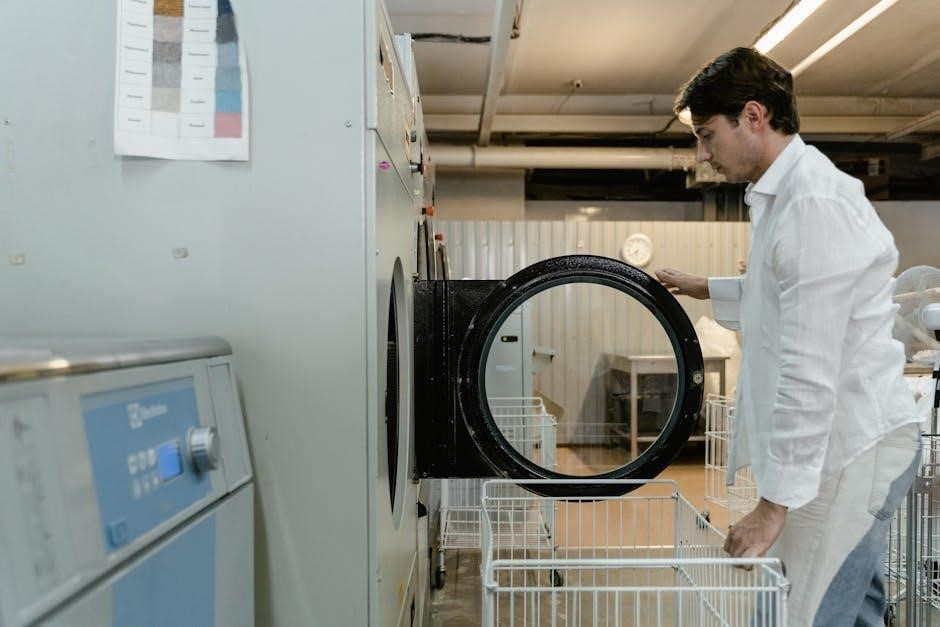
Leveraging AEG’s commitment to ‘Care’ – a key innovation area showcased at IFA 2024 – this feature enhances fabric softness and reduces the risk of detergent buildup. To activate, simply select the ‘Extra Rinse’ option on the control panel before starting your chosen wash program. It adds time to the cycle but delivers a superior clean.
7.3 Delay Start Function – Setting & Use
The AEG Delay Start function allows you to conveniently schedule wash cycles to begin at a later time. This is ideal for taking advantage of off-peak electricity rates, or simply having laundry finished when you return home. To utilize this feature, press the ‘Delay Start’ button on the control panel.
A timer will appear, allowing you to select a delay duration, typically in hourly increments, up to a maximum of 24 hours. Once set, the machine will automatically commence the selected wash program after the specified delay; AEG’s focus on ‘Wellbeing’, highlighted at IFA 2025, extends to this time-saving convenience.
Detergent & Fabric Softener Usage
Proper detergent and fabric softener usage is crucial for optimal washing results and machine longevity. AEG washing machines are compatible with various detergent types – powder, liquid, and pods – however, always refer to the detergent manufacturer’s instructions. Dosage depends on load size, water hardness, and soil level; consult the detergent packaging for guidance.
The AEG detergent drawer is divided into compartments for pre-wash detergent, main wash detergent, and fabric softener. Avoid overfilling, as this can lead to residue buildup. Electrolux Group’s innovations, showcased at IFA 2024, emphasize efficient resource utilization, aligning with responsible detergent use.
8.1 Recommended Detergent Types
AEG washing machines are designed for versatility, accepting powder, liquid, and pod detergents. However, high-efficiency (HE) detergents are strongly recommended, particularly for newer models, as they produce less suds and rinse more cleanly, preventing residue buildup. Powder detergents are cost-effective for general washing, while liquids dissolve easily, even in cold water.
Pods offer pre-measured convenience, but ensure they fully dissolve, especially in cooler temperatures. Avoid using traditional detergents with excessive suds, as this can impact rinsing performance. Electrolux Group’s focus on efficiency, highlighted at IFA 2025, supports the use of concentrated, effective detergents.
8.2 Dosage Guidelines – Based on Load Size
Accurate detergent dosage is crucial for optimal cleaning and preventing residue. For small loads (up to 3kg), use approximately half the recommended amount. Medium loads (3-5kg) require the standard dosage indicated on the detergent packaging. Larger loads (5-8kg) may need a slight increase, but avoid overdoing it.
Water hardness impacts detergent effectiveness; harder water necessitates slightly more detergent. AEG’s commitment to efficiency, showcased at IFA 2024 and 2025, aligns with using the correct amount for best results. Always refer to the detergent manufacturer’s instructions and adjust based on load size and soil level.
8.3 Using Fabric Softener Correctly
Fabric softener enhances softness and reduces static cling, but proper usage is key. Always dilute fabric softener with water before adding it to the designated compartment in the detergent drawer – never pour it directly onto clothes. Use the dosage guidelines provided on the fabric softener bottle, adjusting for load size.
Overuse can leave residue and reduce absorbency. AEG’s focus on care, demonstrated through innovations at IFA 2025, extends to fabric preservation. Avoid using fabric softener with microfiber cloths or items with waterproof finishes. Regular cleaning of the detergent drawer, as detailed later, prevents build-up.
Cleaning & Maintenance
Regular cleaning ensures optimal performance and longevity of your AEG washing machine. Consistent maintenance, reflecting AEG’s commitment to durability (Which? Reliability rating), prevents issues. Clean the detergent drawer monthly to remove residue, preventing blockages and ensuring proper dispensing. Wipe the drum and seals after each wash to eliminate mold and bacteria.
Periodically clean the filter – a step-by-step guide follows – to remove lint and debris. This prevents drainage problems. Utilizing AEG’s innovative features, like stain removal programs, requires a clean machine for best results. Proper care, mirroring Electrolux Group’s focus on wellbeing, extends appliance life.
9.1 Cleaning the Detergent Drawer
To clean the detergent drawer, first remove it by pressing the release button (refer to the ‘Machine Overview’ section). Rinse thoroughly under warm running water, using a soft brush to dislodge any built-up detergent or fabric softener residue. Pay close attention to the compartments, ensuring all traces of product are removed. This prevents blockages impacting wash performance.
Stubborn residue can be tackled with a mild cleaning solution, but avoid abrasive cleaners. Once clean, dry the drawer completely before reinserting it. Regular cleaning, ideally monthly, maintains optimal detergent dispensing, aligning with AEG’s focus on efficient operation and longevity – reflected in their Which? reliability ratings.
9.2 Cleaning the Drum & Seals
Maintaining a clean drum and seals is crucial for hygiene and machine lifespan. Run a hot wash cycle (90°C) with a washing machine cleaner monthly to eliminate bacteria and detergent build-up. Alternatively, use a solution of white vinegar. After each wash, wipe the rubber door seal with a damp cloth to remove moisture and prevent mold growth.
Inspect the seal regularly for damage. A clean drum and seal contribute to AEG’s commitment to ‘Care’ – one of their core innovation areas, ensuring optimal performance and aligning with their high Which? reliability scores. This proactive maintenance supports the machine’s durability.
9.3 Cleaning the Filter – Step-by-Step Guide
Regular filter cleaning prevents drainage issues and maintains wash performance. First, locate the filter access panel (usually at the front, bottom-right). Place a shallow container and towels to catch any residual water. Gently unscrew and remove the filter cover. Carefully pull out the filter, removing lint, coins, or other debris.
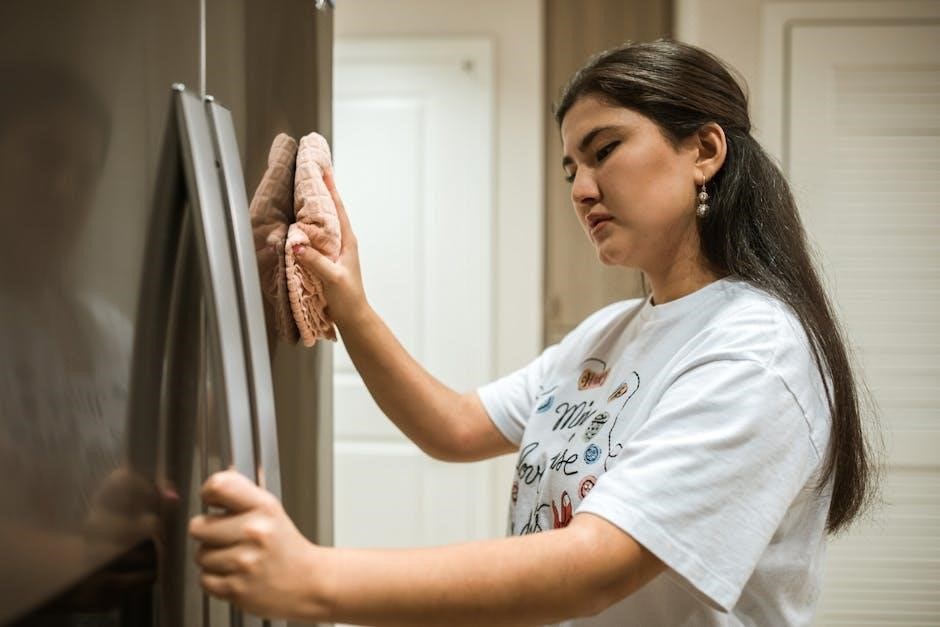
Rinse the filter thoroughly under running water. Inspect the filter housing for obstructions and clean if necessary. Reinsert the filter, ensuring it’s securely locked. This aligns with AEG’s ‘Care’ innovation focus, promoting longevity and reliability – reflected in their Which? ratings.
Troubleshooting Common Issues
Machine Not Starting? Check the power cord and ensure the door is securely closed; Water Not Draining? A clogged filter is the most common cause – see section 9.3 for cleaning instructions. Also, verify the drain hose isn’t kinked or blocked.
Error Codes? Refer to the detailed error code list in the appendix of this manual. AEG prioritizes reliability, earning a 5-star rating from Which? for its hob portfolio, demonstrating a commitment to durable performance. If issues persist, contact AEG customer support for assistance, leveraging their innovative appliance solutions.
10.1 Machine Not Starting – Possible Causes
Several factors can prevent your AEG washing machine from starting. First, confirm the power cord is firmly plugged into a working outlet. Next, ensure the door is completely and securely closed; a safety interlock prevents operation if ajar. Check your home’s circuit breaker or fuse box for tripped breakers or blown fuses.
AEG appliances are known for reliability – evidenced by Which? ratings – but occasional issues occur. If the start/pause button wasn’t pressed correctly, try again. A low voltage supply can also hinder startup. If problems continue, contact AEG support.
10.2 Water Not Draining – Solutions
If your AEG washing machine isn’t draining, first check the drain hose for kinks or obstructions. Ensure the hose isn’t inserted too far into the drainpipe, as this can cause siphoning. A clogged drain pump filter is a common culprit; locate and carefully clean it – refer to the ‘Cleaning the Filter’ section.
Confirm your home’s drain isn’t blocked. AEG’s focus on reliability, highlighted by Which? ratings, doesn’t eliminate potential blockages. If the issue persists, a pump malfunction might be the cause, requiring professional service. Always disconnect power before inspecting internal components.
10.3 Error Codes & Their Meanings
AEG washing machines utilize error codes to diagnose issues. A flashing light indicates a problem requiring attention. Common codes include ‘E10’ (water intake issue), ‘E20’ (drainage problem – check hose & filter), and ‘E30’ (temperature sensor fault). Refer to the full error code list in the appendix of this manual for a comprehensive explanation.
Recent AEG innovations prioritize user-friendliness, but understanding these codes is crucial. If an error persists after troubleshooting, or if an unfamiliar code appears, contact AEG customer support. Their commitment to durability, validated by Which? ratings, is supported by expert assistance.
AEG Innovations in Washing Machines (Based on 2024-2026 News)
AEG, a premium brand of Electrolux Group, is at the forefront of appliance innovation. Recent developments, showcased at IFA 2024 & 2025, emphasize Taste, Care, and Wellbeing. Expect AI-assisted features in future models, potentially optimizing wash cycles based on fabric type and soil level.
A significant focus is on energy efficiency, aligning with sustainability goals. AEG’s commitment to reliability is underscored by a 5-star rating from Which? across its hob portfolio, extending to a reputation for durable washing machines. These advancements promise a superior laundry experience.
11.1 Focus on Energy Efficiency
AEG prioritizes minimizing environmental impact through highly energy-efficient appliance design. The recent kitchen line launch, previewed at IFA 2024 and 2025, demonstrates this commitment, boasting extremely energy-efficient product characteristics. This translates to lower electricity bills and a reduced carbon footprint for consumers.
Expect innovations in motor technology and insulation to optimize energy consumption during wash cycles. AEG’s dedication extends beyond initial efficiency ratings, focusing on long-term performance and durability, ensuring sustained energy savings throughout the machine’s lifespan. This aligns with global sustainability initiatives.
11.2 Integration of AI-Assisted Features (Potential Future Models)
Building on the success of AI-assisted cooking in their kitchen line – unveiled at IFA 2024 – AEG is exploring integrating similar intelligent technologies into future washing machine models. This could involve AI-powered cycle recommendations based on fabric type and soil level, optimizing wash parameters for superior cleaning and fabric care.
Potential features include automatic detergent dosage, predictive maintenance alerts, and even personalized wash programs learned from user habits. While currently focused on kitchen appliances, AEG’s advancements suggest a future where washing machines proactively adapt to laundry needs, enhancing convenience and efficiency.
11.3 Reliability & Durability – Which? Ratings
AEG has consistently demonstrated a commitment to building reliable and durable appliances. This dedication has been formally recognized by Which?, the renowned consumer advocacy group, which awarded AEG a 5-star Reliability rating for its entire hob portfolio in February 2026.
This accolade, encompassing induction, extractor, ceramic, and gas hobs, reflects consistently strong performance in independent testing and positive feedback from real-world users. While specifically for hobs, this rating underscores AEG’s broader focus on dependable performance and long-lasting quality, extending to their washing machine range and providing customers with confidence.
Warranty Information & Customer Support
Your AEG washing machine is covered by a standard manufacturer’s warranty, protecting against defects in materials and workmanship. Specific warranty duration varies by region and model; please consult your purchase documentation for precise details. Extended warranty options may also be available for purchase, offering additional peace of mind.
For customer support, AEG provides a comprehensive network of resources. Visit the official AEG website for FAQs, troubleshooting guides, and downloadable manuals. You can also contact AEG’s customer service team via phone or email, details of which are available online and in your product literature.