
Intermittent Fasting Meal Plan PDF Free: A Comprehensive Guide
Navigating the world of wellness can be overwhelming, yet a free intermittent fasting meal plan PDF offers a structured path․ Discover how to seamlessly integrate this eating style,
unlocking potential health benefits and simplifying your journey towards a healthier lifestyle with readily available resources․

What is Intermittent Fasting?
Intermittent Fasting (IF) isn’t a diet, but rather an eating pattern cycling between periods of eating and voluntary fasting․ Unlike restrictive diets focusing on what you eat, IF dictates when you eat․ This approach has gained popularity due to its simplicity and potential health benefits, often documented in readily available free intermittent fasting meal plan PDFs․
Essentially, IF allows you to schedule your meals to align with your body’s natural circadian rhythm․ Various methods exist, from the popular 16/8 method (16 hours fasting, 8-hour eating window) to more flexible approaches like 5:2․ These plans, often found as downloadable PDFs, provide structure and guidance; The core principle revolves around extending the period when your body has finished digesting your last meal and begins burning fat․
Many find that utilizing a free PDF meal plan helps them understand portion sizes and food choices within their chosen fasting window, making the transition smoother and more sustainable․
Benefits of Intermittent Fasting for Women Over 40
For women over 40, intermittent fasting (IF) can offer unique advantages, often detailed within a free intermittent fasting meal plan PDF․ Hormonal shifts during perimenopause and menopause can lead to weight gain and metabolic slowdown․ IF may help mitigate these effects by improving insulin sensitivity and promoting fat loss․
Furthermore, IF can support cellular repair through a process called autophagy, potentially reducing the risk of age-related diseases․ Many women report increased energy levels and mental clarity while following an IF schedule, aided by structured meal plans found in PDF format․ A well-designed free PDF plan can address specific nutritional needs during this life stage․
However, it’s crucial to approach IF thoughtfully, considering individual health conditions․ Consulting a healthcare professional and utilizing a comprehensive free PDF resource is highly recommended․
Popular Intermittent Fasting Schedules
Several intermittent fasting (IF) schedules exist, each offering varying degrees of restriction, often outlined in a free intermittent fasting meal plan PDF․ The most popular include the 16/8 method – fasting for 16 hours and eating within an 8-hour window – and the 14/10 method, a gentler approach with a 14-hour fast and a 10-hour eating window․
Other options, like the 5:2 diet (eating normally for five days and restricting calories to 500-600 for two) and Eat-Stop-Eat (a 24-hour fast once or twice a week), provide different levels of challenge․ A free PDF resource can detail these schedules, offering guidance on meal timing and food choices․
Choosing the right schedule depends on individual lifestyle and preferences․ Many free plans offer sample schedules and tips for adapting them to your needs, ensuring sustainable success․
16/8 Method: A Detailed Look
The 16/8 intermittent fasting method, frequently detailed in a free intermittent fasting meal plan PDF, involves restricting your eating window to eight hours each day and fasting for the remaining sixteen․ This is often considered one of the most sustainable approaches, as it typically involves skipping breakfast and enjoying dinner within the eating window․
A free PDF resource will often showcase sample meal timings, suggesting an eating period from noon to 8 PM․ Success with 16/8 relies on planning nutritious meals during your eating window to ensure adequate nutrient intake․ Many free plans emphasize protein, healthy fats, and complex carbohydrates․
This method’s flexibility makes it popular; however, a free guide can help tailor it to your schedule and dietary needs․
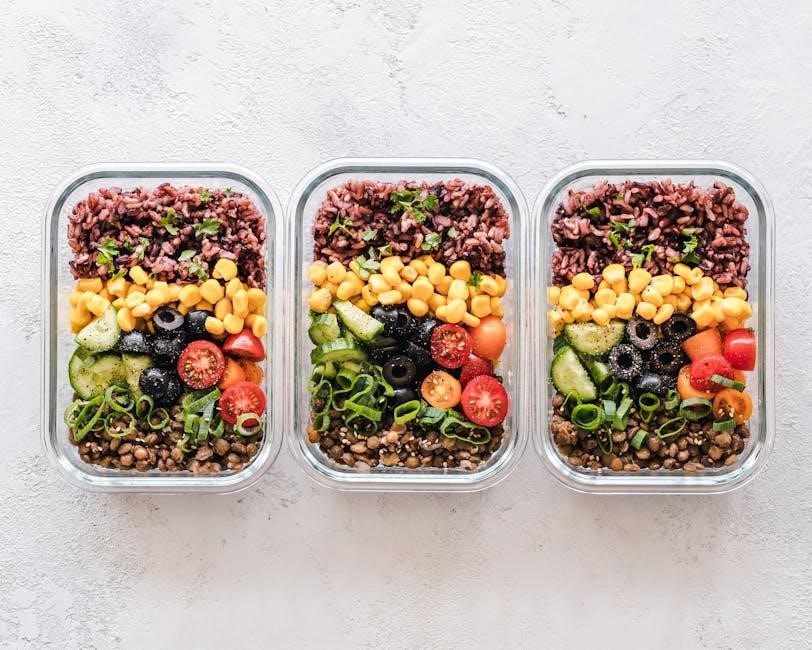
14/10 Method: A Gentler Approach
For those new to intermittent fasting, the 14/10 method, often outlined in a free intermittent fasting meal plan PDF, presents a more gradual introduction․ It involves a 14-hour fasting window and a 10-hour eating window, making it less restrictive than the 16/8 approach․
A free PDF resource typically suggests starting your eating window around 10:00 AM and finishing by 8:00 PM․ This allows for three meals – breakfast, lunch, and dinner – within a reasonable timeframe․ This method is often favored by individuals who find skipping breakfast challenging․
Many free plans emphasize the importance of mindful eating during the 10-hour window, focusing on nutrient-dense foods․ A well-structured free guide will help you adapt this method to your lifestyle․
Other IF Schedules (5:2, Eat-Stop-Eat)
Beyond the popular 16/8 and 14/10 methods, a comprehensive free intermittent fasting meal plan PDF often explores alternative schedules like the 5:2 diet and Eat-Stop-Eat․ The 5:2 approach involves eating normally for five days a week and restricting calories to 500-600 for the remaining two non-consecutive days․
Eat-Stop-Eat entails one or two 24-hour fasts per week․ These methods, detailed in free resources, require careful planning to ensure adequate nutrient intake on eating days․ A free PDF guide will often provide sample meal plans for these more advanced approaches․
It’s crucial to note that these schedules may not suit everyone, and consulting a healthcare professional is recommended before starting․ A free plan should emphasize listening to your body and adjusting accordingly․
Creating Your Intermittent Fasting Meal Plan
Designing a personalized plan, often aided by a free PDF, centers on aligning your eating window with nutrient-dense foods for optimal results and sustained energy․
Macronutrient Balance During Eating Windows
Maximizing your intermittent fasting experience hinges on strategic macronutrient intake within your eating periods․ A well-structured free PDF meal plan emphasizes prioritizing protein to preserve lean muscle mass, crucial for metabolism and overall health, especially as we age․
Healthy fats are equally vital, promoting satiety and supporting hormonal balance – a key consideration for women over 40․ Incorporate sources like avocados, nuts, and olive oil․ Complex carbohydrates, such as whole grains and vegetables, provide sustained energy without causing drastic blood sugar spikes․
Balancing these three macronutrients ensures you feel full, energized, and nourished during your eating window, preventing cravings and supporting your fasting goals․ Many free resources detail specific ratios tailored to individual needs and activity levels, making customization simple․
Protein Intake for Muscle Maintenance
Prioritizing protein during your eating window is paramount, particularly when following a free intermittent fasting meal plan․ Adequate protein intake safeguards against muscle loss, which can naturally occur with age and calorie restriction․ Aim for approximately 0․8 to 1 gram of protein per pound of body weight, adjusting based on activity level․
Lean protein sources like chicken, fish, beans, lentils, and tofu should form the cornerstone of your meals․ A free PDF guide will often provide specific serving suggestions to help you meet your daily requirements․ Consuming protein with each meal promotes satiety, reducing cravings and supporting adherence to your fasting schedule․
Remember, maintaining muscle mass boosts metabolism and contributes to long-term health, making protein a non-negotiable component of your intermittent fasting journey․
Healthy Fats for Satiety and Hormone Support
Incorporating healthy fats into your eating window is crucial when utilizing a free intermittent fasting meal plan, especially for women over 40․ Fats promote feelings of fullness, extending satiety and minimizing hunger pangs during fasting periods․ They also play a vital role in hormone production, supporting overall well-being․
Focus on sources like avocados, olive oil, nuts, seeds, and fatty fish․ A well-designed free PDF resource will highlight appropriate portion sizes to balance intake․ These fats contribute to brain health and can improve nutrient absorption․ Prioritize unsaturated fats over processed or trans fats․
Don’t fear fat; it’s an essential component of a balanced diet and a key ally in successful intermittent fasting, aiding both physical and hormonal health․
Complex Carbohydrates for Energy
When utilizing a free intermittent fasting meal plan, selecting complex carbohydrates is paramount for sustained energy levels during your eating windows․ Unlike simple sugars, complex carbs provide a slower, more consistent release of glucose, preventing energy crashes and supporting stable blood sugar․
Excellent choices include whole grains like quinoa and brown rice, sweet potatoes, and legumes․ A comprehensive free PDF guide will detail appropriate serving sizes to align with your individual caloric needs and fasting schedule․ These carbohydrates also deliver essential fiber, aiding digestion and promoting gut health․
Prioritize nutrient-dense options over refined carbohydrates to maximize benefits and fuel your body effectively throughout the day, enhancing your intermittent fasting experience․
Sample 16/8 Intermittent Fasting Meal Plan
A free intermittent fasting meal plan PDF often showcases the popular 16/8 method, involving a 16-hour fast and an 8-hour eating window․ This sample illustrates a practical approach to structuring your meals․
First Meal (12:00 PM): Begin with a protein-rich meal like grilled salmon with a large mixed green salad, incorporating healthy fats from avocado and olive oil․ Add a side of quinoa for complex carbohydrates․ Second Meal (8:00 PM): Opt for lean chicken breast with roasted vegetables – broccoli, bell peppers, and sweet potatoes – providing sustained energy and essential nutrients․

Remember, hydration is key; drink plenty of water throughout the day․ A detailed free PDF will offer variations and customization options to suit your preferences and dietary needs, ensuring a sustainable and enjoyable experience․
Breakfast (Skipped) & First Meal (12:00 PM)
Within the 16/8 intermittent fasting schedule, breakfast is intentionally skipped, extending the overnight fast․ This isn’t about deprivation, but rather strategically timing your meals․ A free intermittent fasting meal plan PDF emphasizes breaking the fast with a nutrient-dense first meal around 12:00 PM․
Focus on protein and healthy fats to promote satiety and stabilize blood sugar․ Excellent choices include eggs with avocado, a Greek yogurt bowl with berries and nuts, or a substantial salad with grilled chicken or fish․ Prioritize whole, unprocessed foods․ A free PDF resource will often provide specific macro breakdowns․
Hydration remains crucial; water, herbal tea, or black coffee are permitted during the fasting period, preparing your body for the first nourishing meal․

Second Meal (8:00 PM)
Your final meal within the 16/8 window, consumed around 8:00 PM, should be equally balanced and satisfying․ A free intermittent fasting meal plan PDF will guide you towards choices that support recovery and prepare your body for the overnight fast; Avoid heavy, sugary, or processed foods close to bedtime․

Consider lean protein sources like baked salmon or turkey breast, paired with complex carbohydrates such as quinoa or sweet potatoes, and plenty of non-starchy vegetables․ Healthy fats, like those found in olive oil or a small portion of nuts, contribute to fullness․ This meal isn’t about restriction, but mindful nourishment․
Remember to listen to your body’s hunger cues and adjust portion sizes accordingly․ A well-structured free PDF plan will offer adaptable meal suggestions․
Sample 14/10 Intermittent Fasting Meal Plan
The 14/10 method, with its 14-hour fast and 10-hour eating window, is often considered a gentler introduction to intermittent fasting․ A free intermittent fasting meal plan PDF can provide structure, but flexibility is key․ This schedule typically involves skipping either breakfast or dinner, making it easier to integrate into daily life․
This sample plan focuses on a later first meal, allowing for a relaxed morning․ Utilizing a free PDF resource ensures balanced nutrition within the timeframe․ Prioritize whole, unprocessed foods during your eating window to maximize benefits and support overall health․ Remember hydration is crucial throughout the day, even during fasting periods․
Adapting this plan to your preferences and activity level is encouraged․ A downloadable PDF often includes customizable options․
First Meal (10:00 AM)
Breaking your fast at 10:00 AM with a nutrient-dense meal is crucial for sustained energy throughout the day․ A free intermittent fasting meal plan PDF often suggests prioritizing protein and healthy fats to promote satiety and minimize cravings․ Consider an omelet with spinach, mushrooms, and avocado, providing a substantial start․
Alternatively, a Greek yogurt bowl with berries, nuts, and a sprinkle of seeds offers a balanced combination of protein, fiber, and antioxidants․ Utilizing a free PDF resource can offer diverse options tailored to your preferences․ Ensure adequate portion sizes to fuel your body effectively during the 10-hour eating window․
Hydration remains important; accompany your meal with water or unsweetened tea․ This first meal sets the tone for mindful eating throughout the day․
Concluding your eating window at 8:00 PM requires a meal that’s satisfying yet doesn’t disrupt sleep․ A free intermittent fasting meal plan PDF frequently recommends lean protein sources paired with complex carbohydrates and healthy fats․ Baked salmon with roasted sweet potatoes and steamed broccoli is an excellent choice, offering essential nutrients․
Another option is a turkey breast stir-fry with brown rice and a variety of colorful vegetables․ Prioritize whole, unprocessed foods to maximize nutritional value․ A free PDF resource can provide recipe ideas and portion guidance․ Avoid heavy, sugary meals close to bedtime to promote restful sleep․
Remember to savor your meal and practice mindful eating, appreciating the nourishment it provides before your fasting period begins․
Resources for Free Intermittent Fasting Meal Plans (PDF)
Numerous online platforms offer free intermittent fasting meal plan PDFs, providing structured guidance․ Explore reputable health and wellness websites for downloadable resources and expert advice․
Where to Find Reliable PDF Resources Online
Locating trustworthy intermittent fasting meal plan PDFs requires discerning sources․ Begin your search with established health websites like Diet Doctor, which frequently provides comprehensive guides and downloadable plans․ Examine offerings from registered dietitians and nutritionists; their websites often feature free resources tailored to various IF schedules․
Be cautious of blogs or websites lacking credible author information or scientific backing․ Look for PDFs that cite research or are created by qualified professionals․ Platforms like Etsy sometimes host affordable, professionally designed meal plans, though these aren’t always free․ Pinterest can be a visual starting point, but always verify the source before downloading․
Remember to prioritize resources that emphasize a balanced diet within your eating window, focusing on whole foods and adequate hydration․ Always consult your doctor before starting any new diet, including intermittent fasting․
Tips for Adapting Meal Plans to Your Needs
Downloaded a free intermittent fasting meal plan PDF? Excellent! Now, personalize it․ Consider your activity level; more active individuals may require larger portions or additional snacks within their eating window․ Adjust macronutrient ratios based on your goals – prioritize protein for muscle maintenance, healthy fats for satiety, and complex carbs for sustained energy․
Don’t be afraid to swap meals or ingredients to align with your preferences and dietary restrictions․ If a plan suggests foods you dislike, substitute them with similar nutritional value․ Pay attention to how your body responds; adjust portion sizes or meal timing if you experience hunger or fatigue․
Remember, consistency is key, but flexibility is crucial․ A rigid plan is harder to maintain long-term․ Tailor the PDF to your life, making intermittent fasting a sustainable habit․